Digital and Social Media Marketing – Impact for Gippsland
- Eddie The Chef

- 4 days ago
- 11 min read
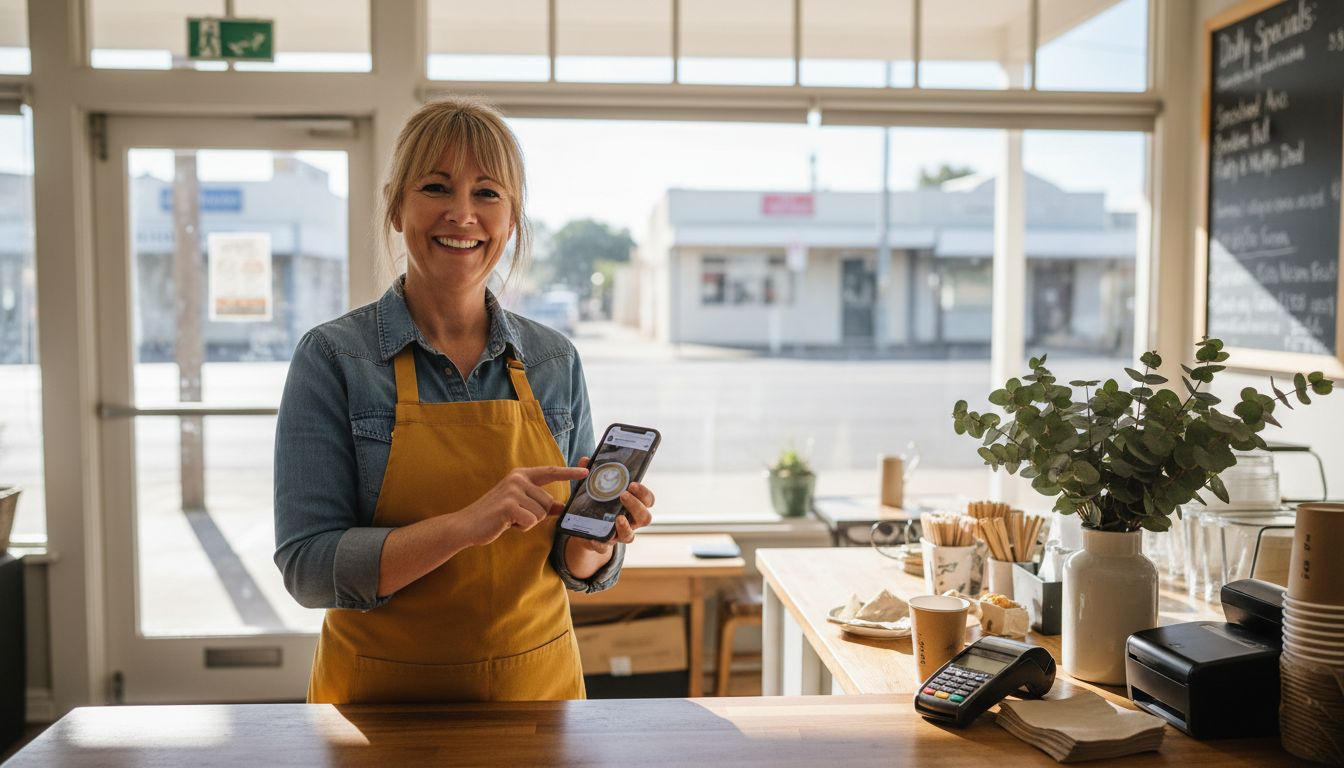
Every Gippsland retailer or café owner knows that standing out against bigger competitors is tough without the right tools. Digital marketing gives you the chance to reach customers who might never walk past your shopfront, while social media lets you speak directly with your audience every day. By understanding the difference between these strategies and focusing your effort on the platforms that matter, you can achieve cost-effective customer engagement and steady business growth.
Table of Contents
Key Takeaways
Point | Details |
Understanding Digital and Social Media Marketing | Digital marketing encompasses all online visibility efforts, while social media marketing focuses on real-time engagement with customers. |
Strategic Platform Selection | Gippsland businesses should identify the platforms their target customers use and master one before expanding to others. |
Importance of a Clear Marketing Strategy | A well-defined marketing strategy is crucial for optimising resources and achieving measurable results, ensuring all efforts align with customer needs. |
Avoiding Common Pitfalls | Businesses should focus on a manageable number of platforms and ensure all marketing claims are truthful to comply with legal standards. |
Defining Digital And Social Media Marketing
Digital marketing and social media marketing are closely related but distinct strategies that form the backbone of modern business growth, especially for Gippsland retailers and hospitality venues looking to compete beyond their immediate area.
Digital marketing is the broader umbrella. It covers every way you promote your business using digital channels—websites, email, search engines, online advertising, and yes, social media too. Think of it as all the ways customers can find and interact with you online. Whether someone discovers your café through a Google search, clicks an email newsletter, or lands on your website from a paid advertisement, that’s digital marketing at work. For a local Gippsland business, this means having a strategic presence across multiple touchpoints where your customers actually spend time online.
Social media marketing sits within that broader strategy. Social media platforms like Facebook, Instagram, TikTok, and LinkedIn are where social media marketing happens—creating and sharing content, building communities, and connecting directly with customers in real-time. Rather than waiting for customers to find you, you’re actively showing up where they already gather online. For a Gippsland gift shop or restaurant, this might mean posting behind-the-scenes photos on Instagram, sharing weekly specials on Facebook, or engaging with customer comments throughout the day. Social media marketing is described as an easy, affordable, and effective way for businesses to attract new customers, build trust, and advertise products or services without breaking the budget.
The key difference matters for your business. Digital marketing is your overall online visibility strategy, while social media marketing is your direct conversation channel with customers. Both require intentional effort, but social media feels more personal—it’s where you build relationships, not just transactions. For Gippsland businesses competing against larger regional centres, this personal connection becomes your competitive advantage. When done right, social media transforms customers into advocates who recommend your business to friends and family.
Here’s a snapshot comparing digital marketing and social media marketing for Gippsland businesses:
Approach | Primary Focus | Key Strength | Typical Channels |
Digital marketing | Broad online visibility | Multiple touchpoints | Website, email, ads, social media |
Social media marketing | Direct engagement | Personal connections | Facebook, Instagram, TikTok, LinkedIn |
Pro tip: Start by identifying where your specific customers spend time online (Facebook for older demographics, Instagram for younger audiences, LinkedIn for B2B), then focus your initial efforts on mastering one platform before expanding to others.
Types And Core Channels Explained
Digital marketing works across multiple channels, each serving a different purpose in your overall strategy. Understanding which channels exist and how they work helps you allocate your budget wisely rather than spreading yourself thin across platforms that don’t reach your customers. For Gippsland businesses, this clarity is crucial because your resources are limited compared to larger corporations.

The main social media platforms fall into distinct categories based on how people use them. Facebook remains the heavyweight for local business marketing, particularly for reaching older demographics and community engagement. Instagram dominates visual storytelling—perfect for hospitality, retail, and tourism businesses showing off what makes them special. TikTok has rapidly grown for reaching younger audiences with short, entertaining content. YouTube works best for longer-form videos and tutorials. LinkedIn serves business-to-business connections. Pinterest works well for product inspiration and lifestyle businesses. Snapchat and Twitter (X) offer niche opportunities depending on your audience. The key is not using every platform, but choosing the channels that match your target audience.
Below is a quick reference guide for choosing and using social media platforms effectively:
Platform | Best For | Ideal Audience |
Local community building | Adults, older demographics | |
Visual storytelling | Younger consumers, creatives | |
B2B networking | Professionals, businesses | |
TikTok | Short, engaging videos | Teens, young adults |
Product inspiration | Shoppers, lifestyle followers | |
YouTube | Tutorials, demonstrations | All ages, information seekers |
Within these channels, content types include images, videos, organic posts, and paid advertising to maximise reach and engagement. Organic posts (free content you share with your followers) build community and trust over time. Paid advertising amplifies your message to reach new people beyond your current followers. Direct marketing through targeted digital communication like email and social messages works differently than broad social media posting. It focuses on specific customer segments rather than broadcasting to everyone, allowing you to personalise offers and messages. For example, you might email past customers about a special event, or send direct messages on Facebook to people who engaged with your recent posts.
The difference between organic and paid matters for Gippsland businesses. Organic social media (posting freely on your page) costs nothing but takes time to build momentum. Paid social advertising costs money but delivers faster results to targeted audiences. Most successful local businesses use both—organic content for authentic connection and community building, paid content for reaching new customers. This mixed approach maximises your impact without requiring massive budgets.
Pro tip: Start with two platforms where your customers already spend time, master organic posting for 8 weeks, then allocate a small paid budget to boost your best-performing posts before expanding further.
How Marketing Strategies Drive Results
A marketing strategy is not something you do on the fly. It’s a deliberate plan that directs your efforts towards specific goals and outcomes. Without one, you’re essentially throwing marketing activities at the wall and hoping something sticks. For Gippsland business owners, this distinction matters enormously because your budget won’t stretch far if you’re wasting resources on unfocused activities.
An effective marketing strategy defines the direction and goals to reach and satisfy customers. Rather than posting randomly on social media or running ads without clear targets, a proper strategy starts by identifying who your actual customers are and what they genuinely need. For a Gippsland café owner, this might mean discovering that your target market is young professionals wanting a workplace alternative, not tourist foot traffic. Once you understand this, every marketing action aligns with that insight. Your social media content shifts. Your advertising targets specific locations and times. Your menu promotions speak directly to their needs. This focused approach maximises your return on investment far better than scattered efforts.
The 7 Ps framework guides businesses to consider all aspects of marketing from product quality and pricing to location, promotion, people (your team), processes, and the physical environment where customers interact with you. A Gippsland retail store, for example, can’t just rely on Facebook advertising if the store itself looks unwelcoming or staff lack product knowledge. The strategy must connect all these elements. You’re building a complete customer experience, not just promoting. When these pieces work together—great products at fair prices, in a welcoming space, marketed to the right people through the right channels—customers don’t just make one purchase. They return. They recommend you to friends. They become the most effective marketing tool you’ll ever have.
Results follow strategy. A boutique hotel in Gippsland might increase bookings by 40% in three months not because they spent more money, but because they refined their strategy to target couples seeking weekend getaways instead than casting a wide net. A restaurant might discover their Instagram content drives more foot traffic than Google ads, allowing them to shift budget accordingly. These insights only emerge when you have a clear strategy, measure what’s working, and adjust. This cycle of planning, executing, measuring, and refining is what transforms marketing from a cost centre into a profit driver.
Pro tip: Write down your three core customer types, what problem your business solves for each, and which one delivers the most profit, then build your entire strategy around dominating that segment before expanding.
Benefits For Gippsland Businesses
Digital and social media marketing aren’t optional luxuries for Gippsland businesses anymore. They’re competitive necessities. The businesses that embrace these tools are pulling ahead, whilst those ignoring them are getting left behind. For local retailers, hospitality venues, and service providers, the benefits translate directly into revenue growth, customer loyalty, and market reach that was simply impossible just a decade ago.
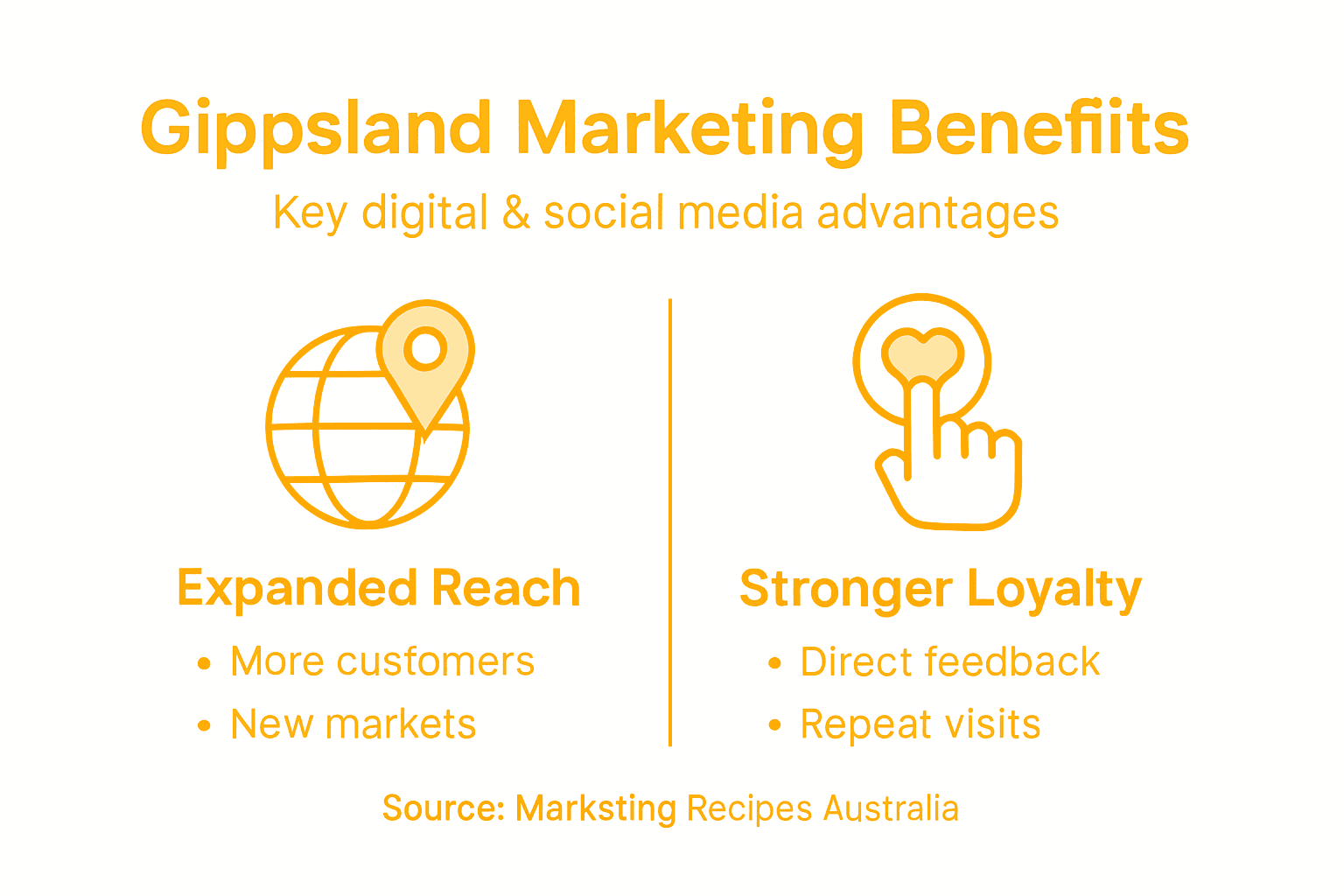
The most immediate benefit is reach beyond your physical location. A family-run café in Drouin or a gift shop in Warragul can now attract customers from across the Gippsland region, interstate, even internationally, without opening a second location. Digital and social media marketing enable businesses to reach larger audiences locally and globally, connecting directly with customers. A beauty salon that posts before-and-after photos on Instagram reaches people searching for their services far beyond foot traffic. A local winery sharing behind-the-scenes content on Facebook builds relationships with customers who might visit or order online. This expanded reach directly increases productivity and opens pathways to new markets that geography previously limited.
The second major benefit is direct customer connection and loyalty. Traditional advertising talks at customers. Digital marketing talks with them. When someone comments on your Facebook post, messages you on Instagram, or engages with your content, you’re building a relationship. This isn’t one-way broadcasting anymore. For Gippsland businesses competing against larger regional centres, this personal connection becomes your competitive advantage. Customers feel heard, valued, and connected to your brand story. They’re far more likely to return and recommend you to friends. Digitally engaged businesses significantly outperform those less engaged by achieving higher revenue per employee and faster growth. This isn’t marketing fluff; it’s measurable business performance.
The third benefit is cost efficiency and measurability. A traditional advertising campaign in a newspaper or local magazine costs hundreds of dollars, reaches mostly people who aren’t interested, and you’ll never know which specific customers it converted. Digital advertising lets you target specific demographics, locations, interests, and behaviours, spending only on people likely to care. You see exactly how many people saw your ad, clicked it, and purchased. You adjust in real-time. A Gippsland restaurant might discover that Instagram ads targeting 25-40 year old professionals deliver better returns than Facebook ads targeting families. They shift budget immediately. This precision and accountability simply doesn’t exist in traditional channels.
Pro tip: Track your three most important metrics weekly (website visits, social media engagement, or sales) to see which marketing efforts drive actual results, then double down on what’s working whilst cutting what isn’t.
Common Pitfalls And Cost Considerations
Whilst digital and social media marketing offers genuine advantages, plenty of Gippsland businesses stumble because they jump in without understanding the real costs and common mistakes. The good news is these pitfalls are entirely avoidable once you know what to watch for.
The first major pitfall is spreading yourself too thin across platforms. You see Facebook, Instagram, TikTok, LinkedIn, and Pinterest, and think you should be everywhere. Wrong. A Gippsland hardware store doesn’t need TikTok if their customers are 45 to 65 year olds who use Facebook. A young fashion boutique shouldn’t waste hours on LinkedIn. Pitfalls include overextending resources by managing too many platforms and not aligning content with business goals. Managing even one platform properly requires consistent posting, responding to comments, and analysing what works. Managing five poorly is worse than managing one well. You’ll burn out, posts will become sporadic, engagement will drop, and you’ll conclude social media doesn’t work. The reality is you didn’t give it a fair chance. Start with one platform where your customers actually spend time, master it for eight weeks, then expand.
The second pitfall involves making unsubstantiated claims. This one has legal teeth. Businesses must ensure all statements and claims in advertisements are truthful and not misleading under Australian Consumer Law. A café can’t claim their coffee is the “best in Gippsland” without objective evidence. A beauty salon can’t promise results they can’t deliver. These aren’t just ethical issues; they’re legal compliance issues. The ACCC takes misleading advertising seriously, and penalties can be steep. Equally important is monitoring user-generated content. If customers post reviews or comments on your pages, you’re responsible for managing false claims there too. One customer claiming your product cures a medical condition could trigger regulatory action.
The third consideration is realistic budgeting for time and money. Social media is cost-effective compared to traditional advertising, but it’s not free. Effective budgeting requires balancing organic content creation with paid promotions and considering time and expertise investment. Organic posting (free content) takes your time or your staff’s time. Paid advertising costs money but amplifies reach. Most successful Gippsland businesses allocate a modest budget (even $100 to $300 monthly) to boost their best-performing posts, while investing a few hours weekly in creating and sharing content. If you can’t commit to either time or money, digital marketing won’t work for you. Be honest about your capacity before starting.
Pro tip: Create a simple monthly budget spreadsheet tracking platform costs, tools, time spent, and results (website clicks, enquiries, sales) to see which efforts deliver actual return and adjust spending accordingly.
Unlock Your Gippsland Business Potential with Expert Digital Marketing Support
Struggling to navigate the complexities of digital and social media marketing in Gippsland can feel overwhelming. With challenges like choosing the right platforms, creating authentic content, and measuring real results, many local businesses miss out on their true growth potential. The article highlights how a focused strategy, personal connection with customers, and smart resource allocation are crucial for success — exactly where Marketing Recipes Australia steps in. Our team understands the unique needs of regional businesses and offers tailored digital marketing solutions that combine creative content, social media management, and strategic consulting to build meaningful customer relationships and drive measurable growth.
Ready to turn those digital challenges into your biggest opportunities? Partner with Marketing Recipes Australia and access 30+ years of expertise specially crafted for Gippsland and regional businesses. Whether you need help mastering one social channel or designing a comprehensive online presence with video marketing and email campaigns, our kitchen-inspired approach serves up everything your business needs to thrive. Explore how we can help you dominate your target market by visiting Marketing Recipes Australia. Discover our personalised digital marketing services and start building authentic connections with your customers today.
Frequently Asked Questions
What is the difference between digital marketing and social media marketing?
Digital marketing encompasses all online promotional activities, including websites, email, search engines, and social media. In contrast, social media marketing specifically focuses on engaging with customers through platforms like Facebook, Instagram, TikTok, and LinkedIn.
How can Gippsland businesses benefit from using social media marketing?
Social media marketing allows Gippsland businesses to directly connect with customers, build relationships, and foster loyalty. It also enables them to reach a larger audience beyond their physical location, which can lead to increased revenue.
What are some common pitfalls Gippsland businesses should avoid in digital marketing?
Common pitfalls include spreading too thin across multiple platforms without a strategy, making misleading claims in promotions, and not budgeting realistically for time and money. Focusing on a single platform initially can help avoid these issues.
How should Gippsland businesses measure their digital marketing success?
Businesses should track metrics like website visits, social media engagement, and sales to evaluate their digital marketing effectiveness. Regularly analysing these metrics helps identify which efforts are driving results and allows for adjustments in strategy.
Recommended
Comments