Video Production Basics: Complete Guide for 2025
- Eddie The Chef

- Dec 2, 2025
- 6 min read
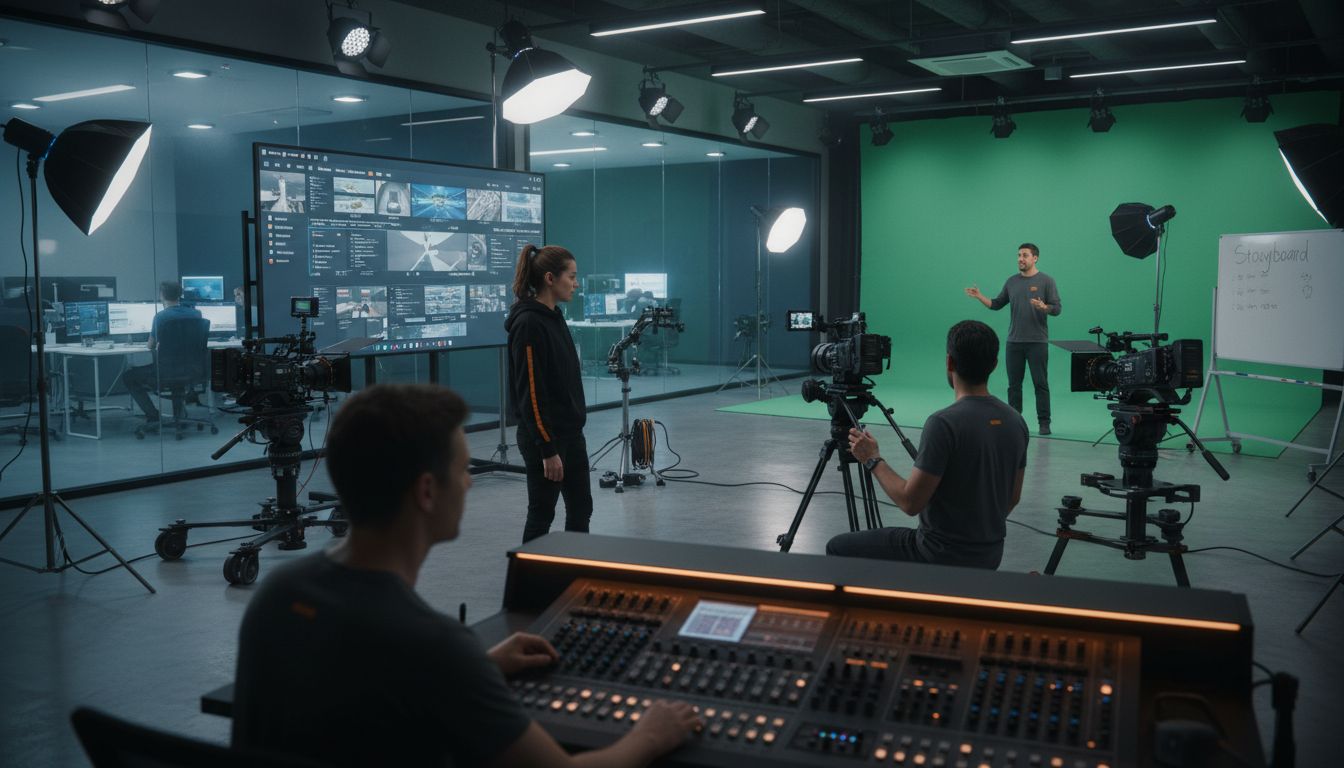
More than 90 percent of australian businesses now use video content as a key part of their marketing strategy. Compelling visuals grab attention and help brands stand out in crowded digital spaces. Understanding the core principles and common challenges of video production empowers organisations to communicate stories more effectively and connect with today’s visual-first audience.
Table of Contents
Key Takeaways
Point | Details |
Video Production Process | Video production consists of pre-production planning, production execution, and post-production refinement to create engaging visual narratives. |
Types of Business Videos | Australian businesses utilise various video types such as marketing, explainer, and training videos to effectively communicate with their audiences. |
Budgeting for Video Production | Typical costs for video production in Australia vary significantly based on project complexity, ranging from $500 for basic videos to $50,000 for high-end productions. |
Common Pitfalls | To avoid challenges in video production, businesses should focus on thorough planning, utilise professional equipment, and ensure clear scripting and audience testing. |
Defining Video Production and Core Concepts
Video production is a comprehensive creative process involving multiple stages of planning, capturing, and transforming visual storytelling into compelling digital media. At its core, video production represents the systematic approach of creating video content that communicates messages, evokes emotions, and engages audiences through strategic visual narratives.
The fundamental stages of video production encompass three critical phases: pre-production planning, production execution, and post-production refinement. Pre-production involves extensive strategic groundwork including concept development, scriptwriting, location scouting, and talent selection. During production, videographers capture raw footage using professional equipment, implementing sophisticated techniques to translate conceptual ideas into visual sequences. Post-production then transforms these captured moments through editing, colour grading, sound design, and visual effects to craft the final narrative.
Understanding video production requires recognising its multifaceted nature across different professional domains. From corporate marketing to documentary filmmaking, each context demands unique approaches while maintaining core technical and creative principles. Small to medium enterprises in Australia increasingly leverage video production as a powerful communication tool, using professionally crafted content to showcase services, share customer stories, and build authentic brand connections. Whether creating short social media clips or comprehensive marketing campaigns, mastering video production enables businesses to communicate more dynamically and effectively in an increasingly visual digital landscape.
Key Types of Business Videos Explained
Australian businesses are increasingly leveraging diverse video content types to communicate effectively with their target audiences. Marketing videos represent strategic communication tools that go beyond traditional advertising, enabling organisations to connect more authentically with potential customers through visual storytelling.
Based on comprehensive research, businesses typically utilise seven primary video categories. Product demonstration videos showcase item features and functionality, allowing potential customers to understand product benefits visually. Explainer videos break down complex services or concepts into digestible, engaging narratives. Customer testimonial videos provide social proof by featuring real experiences, while brand story videos create emotional connections by revealing a company’s mission and values. Behind-the-scenes content offers transparency and humanises the brand, helping businesses build trust.
Training and educational videos serve additional critical functions for organisations. These professionally crafted resources can onboard new team members, explain internal processes, and provide ongoing skills development. Notably, video marketing has proven particularly effective for small to medium enterprises in regional Australian markets, offering a cost-effective method to communicate complex information and differentiate themselves from competitors. Whether highlighting unique service offerings or sharing customer success stories, strategic video content enables businesses to communicate more dynamically and memorably across digital platforms.
Essential Steps in the Production Process
Video production requires a meticulously structured approach that transforms creative concepts into compelling visual narratives. Professional camera techniques form the foundation of successful video content, demanding strategic planning and technical expertise across multiple production stages.

The production process typically unfolds through three interconnected phases: pre-production, production, and post-production. Pre-production involves comprehensive planning including script development, storyboarding, location scouting, and talent selection. During the production phase, videographers capture raw footage using sophisticated equipment, carefully managing lighting, sound recording, and visual composition. Post-production represents the critical refinement stage where editors transform raw materials into polished, cohesive narratives through advanced editing techniques, colour grading, sound design, and visual effects.
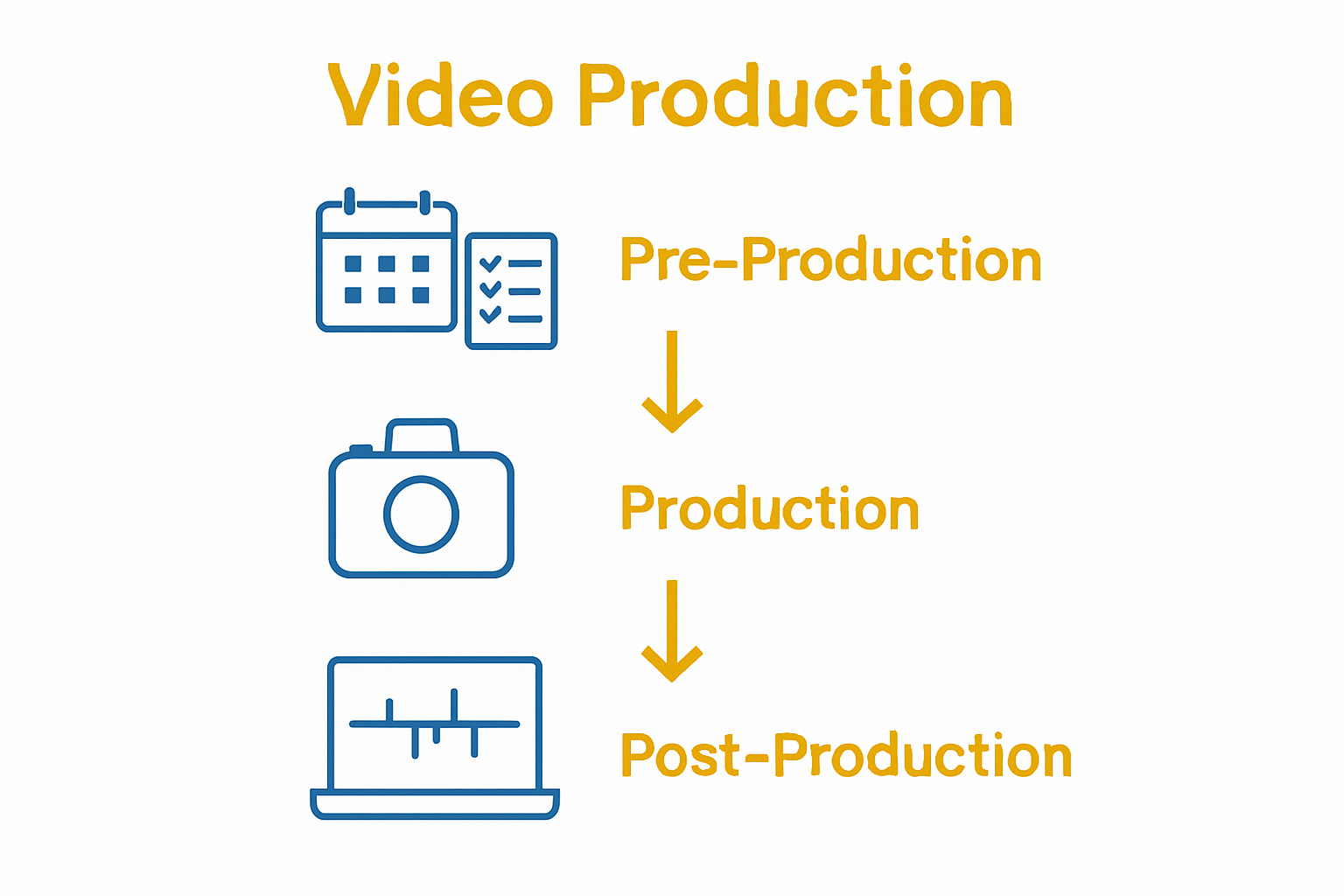
Successful video production demands more than technical skills. It requires a holistic understanding of storytelling, audience engagement, and strategic communication. Regional Australian businesses increasingly recognise video production as a powerful marketing tool that goes beyond mere technical execution. By mastering each production stage and understanding how visual elements communicate complex messages, organisations can create impactful content that resonates with their target audiences, effectively conveying brand stories, product features, and organisational values through sophisticated visual storytelling.
Budgeting and Typical Costs in Australia
Navigating video production costs requires a strategic approach tailored to the unique needs of Australian businesses. Digital marketing budgets play a crucial role in determining the scale and quality of video content that organisations can realistically produce.
Video production costs in Australia typically range across multiple price brackets, reflecting the complexity and technical requirements of different project types. Budget considerations can be broken down into several key components:
Basic social media videos: $500 - $2,000
Professional corporate videos: $2,000 - $10,000
High-end commercial productions: $10,000 - $50,000
Factors influencing production costs include equipment quality, professional talent, location expenses, post-production complexity, and the overall creative sophistication required. Small to medium enterprises in regional Australian markets often find cost-effective solutions by partnering with local production teams who understand their specific communication needs. Careful budget planning enables businesses to create impactful visual content that maximises marketing investment, balancing professional quality with financial constraints. By understanding these cost dynamics, organisations can strategically invest in video production that delivers genuine value, builds brand recognition, and effectively communicates their unique business narrative.
Common Pitfalls and How to Avoid Them
Video production presents numerous challenges that can derail even the most well-intentioned projects. Instructional video design demands careful consideration of psychological and technical elements to ensure effective communication and audience engagement.
Several critical pitfalls frequently emerge in video production for Australian businesses. Technical inconsistencies can significantly undermine content quality, including poor audio synchronisation, inadequate lighting, and inconsistent visual framing. Communication gaps often arise from insufficient pre-production planning, leading to unfocused messaging and reduced viewer retention. Small to medium enterprises must also be wary of overcomplicating their visual narratives, which can overwhelm audiences and dilute core communication objectives.
To mitigate these challenges, businesses should adopt a strategic approach:
Conduct thorough pre-production planning
Invest in professional audio and lighting equipment
Develop clear, concise scripting
Test content with representative audience groups
Maintain consistent visual and narrative branding
Successful video production requires more than technical proficiency. It demands a nuanced understanding of audience psychology, clear communication objectives, and a willingness to iterate based on feedback. Regional Australian businesses can elevate their video content by approaching production as a collaborative, strategic process that prioritises viewer comprehension and engagement over mere technical execution.
Elevate Your Business with Expert Video Production and Strategic Marketing
Struggling to navigate the complexities of video production while ensuring your business message truly connects with your audience is a common challenge for many regional Australian businesses. With key steps like pre-production planning, professional camera techniques, and budgeting often causing confusion or budget strain, you need a partner who understands these pain points and can bring your vision to life effectively and affordably. The guide highlights vital concepts such as clear scripting, technical consistency, and audience engagement — all essential for producing content that resonates and drives results.
At Marketing Recipes Australia, we specialise in combining expert video production with a full menu of tailored digital marketing services designed specifically for local businesses looking to thrive in competitive regional markets. Our approach blends over 30 years of experience with creative storytelling and strategic consulting, ensuring every video and campaign maximises your budget while delivering authentic connections. Whether you need captivating video marketing or an end-to-end digital strategy, we provide the professional support to avoid common pitfalls and create engaging content that works.

Ready to transform your video production efforts into measurable growth for your business Post your challenge today or explore how our comprehensive digital marketing solutions can help you start crafting powerful stories that attract and retain customers. Don’t let budget concerns or production uncertainties hold you back Discover your personalised strategy with Marketing Recipes Australia now.
Frequently Asked Questions
What are the key stages of video production?
The key stages of video production include pre-production, production, and post-production. Pre-production involves planning and preparation, production is the actual filming phase, and post-production focuses on editing and refining the final video.
What types of videos can businesses create for marketing?
Businesses can create various types of marketing videos including product demonstration videos, explainer videos, customer testimonial videos, brand story videos, behind-the-scenes content, and training videos to engage audiences effectively.
How can I budget for video production?
Budgeting for video production typically involves considering various components such as equipment quality, professional talent, location costs, and post-production complexity. Basic social media videos may cost around $500 to $2,000, while high-end commercial productions could range from $10,000 to $50,000.
What common mistakes should I avoid in video production?
Common mistakes in video production include technical inconsistencies like poor audio and lighting, insufficient pre-production planning leading to unclear messaging, and overly complex narratives. To avoid these pitfalls, invest in quality equipment, maintain clear scripting, and conduct thorough planning.
Recommended
Comments