7 Types of E Marketing for Gippsland Retail Success
- Eddie The Chef

- Jan 21
- 20 min read
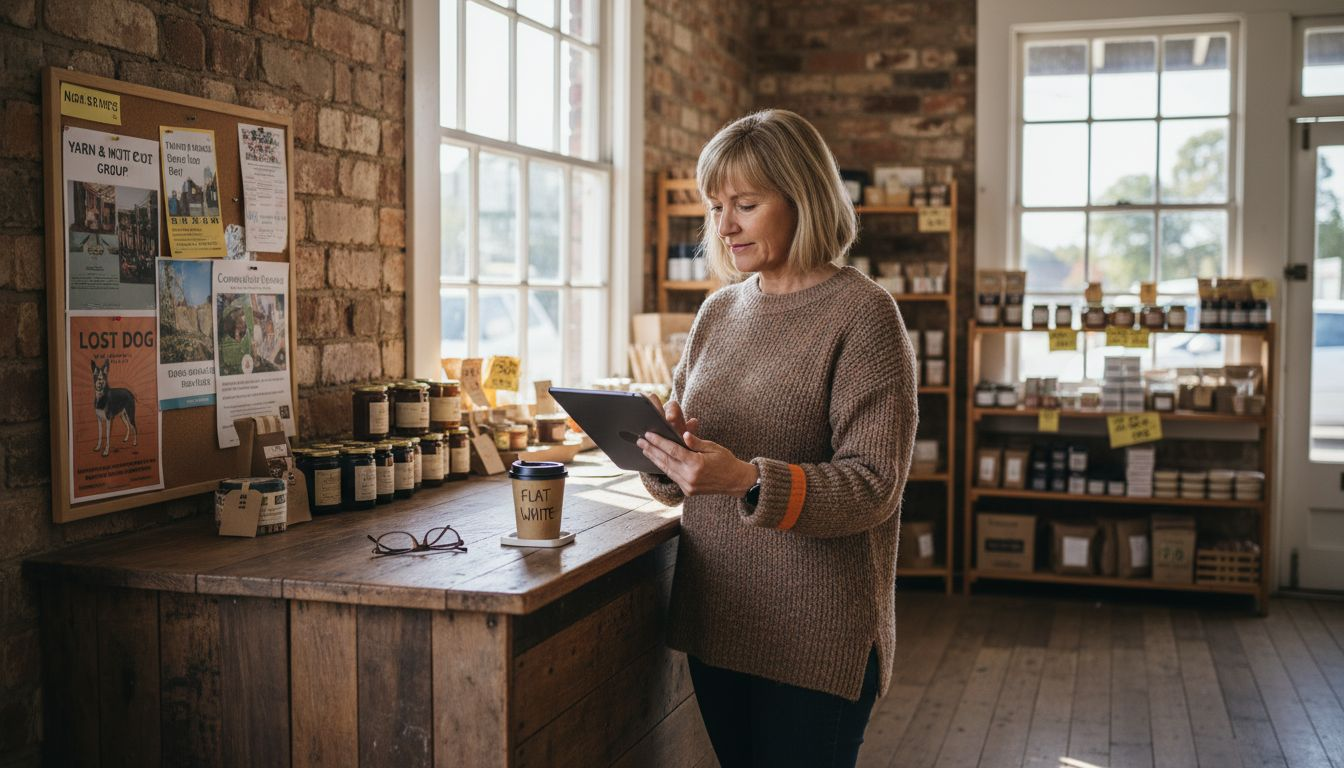
Standing out as a Gippsland retailer can feel challenging when local shoppers have plenty of options online and in person. Reaching the right customers and keeping them engaged takes more than a basic website or the occasional Instagram post. You need practical e-marketing techniques that actually work for small, community-focused businesses.
This guide will show you exactly how to use proven methods like email campaigns, tailored social media strategies, and genuine storytelling to increase loyalty and get your store noticed. Each approach is designed for Gippsland’s unique market and gives you actionable steps that are easy to start, even if you’re short on time or resources.
Explore the powerful marketing tools local businesses are already using to connect with their community and turn first-time visitors into loyal customers. The right strategy could make the difference between passers-by and passionate supporters.
Table of Contents
Quick Summary
Key Insight | Explanation |
1. Engage Customers Through Email | Use email marketing to build relationships, as it allows customers to receive relevant information directly. |
2. Tailor Social Media Content | Match your content style to the platform, engaging local customers in ways they expect and appreciate. |
3. Utilize Video Marketing | Create authentic videos to showcase products, enhancing customer trust and engagement through personal connection. |
4. Optimize for Local Search | Invest in search engine marketing to appear prominently when local customers search for relevant products. |
5. Implement SMS Marketing | Use SMS campaigns for immediate promotions, as text messages have a much higher open rate compared to emails. |
1. Email Marketing: Building Customer Loyalty
Email marketing offers one of the most direct pathways to building lasting relationships with your Gippsland retail customers. Unlike social media posts that disappear in minutes or paid ads that stop working the moment you stop paying, emails land directly in your customers’ inboxes where they can revisit them whenever they choose.
When customers receive thoughtful, relevant emails from your retail business, they feel valued rather than bombarded. This feeling matters. A customer who opens your email and discovers a genuine offer or helpful information is more likely to return to your store, spend more when they do, and recommend you to friends and family. Establishing good customer service through consistent, meaningful communication creates the trust that transforms one-time shoppers into repeat visitors.
The beauty of email marketing for retail is that it works quietly in the background, nurturing relationships between purchases. You’re not asking for a sale every single time. Instead, you’re sharing content that genuinely interests your audience. Perhaps you’re giving them early access to a new product line, offering exclusive discounts for loyal customers, or simply sharing store updates and helpful tips related to what you sell. When your emails provide value beyond the sales pitch, customers start to anticipate them rather than dread them.
Let’s consider a practical example. A local Gippsland homeware store might send a weekly email featuring styling tips for seasonal decorating, behind-the-scenes content of new arrivals, and occasional member-only discounts. Customers on that list begin to view the store as a trusted source of inspiration, not just a place to buy things. They check their email specifically for these messages. Over time, they visit more frequently, spend more per visit, and become vocal advocates who mention the store to others.
Building loyalty through email also gives you valuable insights into what your customers actually want. You can track which products they click on, which deals they engage with, and when they’re most likely to make a purchase. These insights allow you to refine your approach continuously, sending increasingly relevant content that matches your customers’ interests and buying patterns.
The investment required to get started is minimal compared to the returns. You’ll need an email service provider, a basic understanding of list building, and time to craft messages that sound authentically like your business. The payoff comes in the form of customers who choose you over competitors, who spend more with you over time, and who actively promote you through word of mouth.
Professional tip Segment your email list by purchase history and interests so that loyal customers receive different messages than new subscribers, ensuring each group receives content that genuinely matches their stage in the customer journey.
2. Social Media Marketing: Engaging Local Audiences
Social media is where your Gippsland customers spend their time, and that’s where you need to be. Unlike traditional advertising that talks at people, social media lets you talk with them, building genuine connections that turn followers into loyal customers.
The power of social media for local retail lies in its ability to create two-way conversations. When someone comments on your post or sends you a message, you have an opportunity to respond personally. That interaction feels real to them. They’re not dealing with a faceless corporation but with a local business they can actually talk to. This human element is what transforms a casual social media user into someone who walks through your door and makes a purchase.
Tailored social media strategies across different platforms work far better than using the same generic content everywhere. Facebook users behave differently from Instagram users, and LinkedIn audiences have entirely different expectations. Your Gippsland retail business should match your approach to each platform’s personality. On Instagram, you might showcase beautiful product photos and behind-the-scenes content. On Facebook, you could share customer stories and local community updates. On TikTok, you might try something playful and less polished. The goal is to meet your audience where they already are, in the way they expect to consume content.
Local engagement means showing up consistently and authentically. This doesn’t require hours every day. It means posting relevant content at times when your audience is likely to see it, responding to comments within a reasonable timeframe, and actually engaging with other local businesses and community pages. When someone from Gippsland tags your business in a post, that’s not just a notification to ignore. That’s an opportunity to build goodwill by liking and commenting on their content. When you engage with your community’s posts, your business becomes part of the local fabric rather than just another account trying to make a sale.
Consider how a local Gippsland bookstore might use social media. They could share photos of new arrivals that match their followers’ interests, ask questions about what customers want to see in stock, share reading recommendations from staff members, and announce local author events. They could partner with local schools or community groups by promoting their initiatives. Over time, this bookstore becomes more than a place to buy books. It becomes a community hub that people feel connected to, and they’ll prioritise shopping there over ordering online.
The metrics that matter most aren’t always the big vanity numbers. Sure, follower count looks nice, but what actually drives your retail success is engagement and foot traffic. Track which posts get comments and shares, which content types get people clicking through to your website or visiting your store. Pay attention to which posts receive messages with genuine questions. These indicators tell you what’s actually working and what your local audience genuinely cares about.
Professional tip Pick the two or three platforms where your target customers actually spend time and focus your energy there rather than spreading yourself thin across every social media network available.
3. Content Marketing: Sharing Your Story Online
Your Gippsland retail business has a story that matters. Content marketing is about telling that story in ways that connect with people online, building trust long before they ever walk through your door.
Unlike advertising that shouts “buy from us,” content marketing whispers “here’s something valuable for you.” It might be a blog post about how to care for the products you sell, a video showing your team in action, or a customer testimonial that reveals the real impact your business has. This approach works because people trust recommendations and genuine stories far more than they trust traditional ads.
Building authentic connections through storytelling is particularly powerful for local businesses. Your story as a Gippsland retailer is unique. Maybe you started the business to fill a gap you noticed in the community. Perhaps you source products locally or have been serving the same families for generations. Maybe your team has skills or passions that set you apart. These narratives resonate with people in your region who want to support local businesses they feel connected to.
Content marketing creates multiple touchpoints with potential customers. Someone might discover your blog post through a Google search, read it, and feel impressed by your expertise. They might follow you on social media and see videos of your products in action. They might receive an email with helpful tips related to what you sell. Each of these interactions builds familiarity and trust. By the time they visit your store, they already feel like they know you.
Consider a practical example. A Gippsland clothing boutique could create content around styling advice, seasonal fashion trends, sustainable fashion choices, or customer stories. They might film short videos of staff members explaining how to style different pieces or interview regular customers about their favourite purchases. They might write blog posts about local designers they stock or care instructions for delicate fabrics. This content positions the boutique as more than just a place to buy clothes. It becomes a resource people turn to for fashion guidance and inspiration.
The beauty of content marketing is that it works continuously. A blog post you write today can bring customers to your website months or even years from now. Videos you create stay online, building your credibility over time. These assets work for you around the clock, unlike paid ads that stop working the moment you stop paying.
Content also gives you something to share across your other marketing channels. That helpful blog post becomes social media posts. That customer story becomes an email to your list. That video can be repurposed into multiple formats. One piece of content often serves multiple purposes, making your overall marketing efforts more efficient.
Gippsland’s support for authentic narratives that enhance local visibility means your community values exactly this kind of storytelling. Your customers want to know the real story behind the businesses they support. They’re interested in your process, your team, your values, and how you serve the community. When you share this through content, you’re giving them exactly what they’re looking for.
Professional tip Start with one content format that feels natural to you, whether that’s writing blog posts, creating videos, or sharing customer stories, and become excellent at that before trying to do everything at once.
4. Video Marketing: Showcasing Products Creatively
Video is where attention lives online. People stop scrolling to watch videos, they stay longer when videos play, and they’re far more likely to remember what they saw in a video compared to a static image or text description.
For Gippsland retail businesses, video marketing offers something photographs and written descriptions simply cannot provide. A video shows your products in action, lets customers see scale and texture, demonstrates how something actually works, and most importantly, it lets your personality shine through. When customers watch a video of you or your team talking about a product, they feel like they’re getting to know you. That familiarity builds trust and confidence in their purchasing decision.
The misconception about video marketing is that it requires expensive equipment and professional production. That couldn’t be further from the truth. The most effective product videos are often simple and authentic. A smartphone camera, natural lighting, and genuine enthusiasm from you or a team member can create videos that perform better than polished commercials. Customers respond to realness. They want to see actual products in real settings, hear real people talking about real features and benefits, and see how products genuinely fit into daily life.
Effective video content types for businesses range from quick product demonstrations to customer testimonials to behind-the-scenes glimpses of your business. A 30-second video showing how to use a product is different from a 2-minute customer story about how a product changed their experience, but both are valuable. Quick unboxing videos work well for social media. Longer, more detailed product reviews work better on your website or YouTube channel. The key is matching the video format to where it will live and what your audience expects in that space.
Let’s look at a practical example. A Gippsland homewares retailer could film short videos of their best sellers, showing them in attractive room settings, demonstrating their quality and durability. They could interview customers about their favourite purchases and why they chose those items. They could create videos showing new arrivals before they hit the shelves. They could film the process of how they source local products. Each of these videos serves a purpose and gives viewers a reason to engage with your business.
Video also generates content you can repurpose across multiple channels. Film one product demo and you can share a 30-second version on Instagram Reels, a 60-second version on TikTok, the full version on your website, and clips as part of your email newsletters. One filming session creates assets that work for you across your entire marketing strategy.
The engagement rates for video content significantly outpace other formats. Videos posted on social media get more likes, comments, and shares than static posts. Videos on your website increase the time people spend on your pages, which improves your search engine rankings. Videos in emails increase click-through rates. This isn’t just anecdotal. It’s measurable business impact that flows directly from your bottom line.
Start simple with your video strategy. Choose one product you sell regularly and film a straightforward demonstration or explanation video. Talk about the features that matter, show it being used, and explain why customers choose this product. Upload it to your platforms and see how customers respond. You’ll learn quickly what works for your audience. As you gain confidence, expand to filming more products or different video styles.
Remember that Eddie The Chef emphasises the power of video storytelling in modern marketing. Your Gippsland retail business has a story to tell through video. That story is what transforms casual browsers into committed customers.
Professional tip Film multiple videos in one session when possible so that you build a library of content to share across several weeks or months, making your video marketing sustainable without requiring constant filming.
5. Search Engine Marketing: Boosting Local Visibility
When someone in Gippsland searches for what you sell, they need to find you. Search engine marketing is about being visible exactly when potential customers are actively looking for your products or services. It’s not about hoping they’ll stumble across you eventually. It’s about showing up right when they need you most.
Search engine marketing encompasses two main approaches. The first is paid search advertising, where you bid on keywords and your ads appear at the top of search results. The second is organic search optimisation, where you improve your website and content so Google ranks you higher naturally without paying per click. Both matter for local retail success, but they work together rather than against each other.
When someone searches “best coffee in Gippsland” or “children’s clothing near me,” you want your business to appear prominently. Paid search gets you there immediately if you’re willing to invest in ads. Organic search gets you there if you’ve invested time in optimising your online presence. The reality is that most Gippsland shoppers will check both paid results and organic results, so having a strong presence in both channels maximises your visibility.
Local visibility is particularly crucial for retail. Unlike e-commerce businesses that ship nationwide, you serve customers within a specific geographic area. Search engine marketing lets you target exactly that area. You can bid on keywords that include your location or nearby suburbs. You can optimise your website content to rank for “near me” searches. This means your marketing budget goes toward reaching people who can actually walk into your store.
Understanding SEO for small businesses starts with recognising that search visibility is built over time through consistent effort. You don’t wake up one morning ranked number one for competitive keywords. Instead, you steadily improve your website structure, create content that answers customer questions, build authority through reviews and mentions, and optimise for local search signals. Google wants to show local businesses that are genuinely helpful to local searchers.
Consider a Gippsland furniture store as an example. Someone looking for “oak dining tables Gippsland” might see paid ads at the very top from furniture retailers bidding on that keyword. Below those ads, they’ll see organic search results from websites Google considers most relevant and trustworthy. The furniture store that appears in both places has significantly more visibility than one appearing in neither. Over time, as the store builds its online presence, it may rank organically without needing to pay for ads, though paid ads remain a valuable tool for seasonal campaigns or new product launches.
Local search also includes Google Business Profile optimisation. When someone searches for your business type in Gippsland, Google displays a map with local businesses. Your profile appears here if you’ve claimed and optimised your Google Business Profile. This is free, it’s crucial for local visibility, and many retail businesses neglect it. Your profile should include accurate hours, location, contact information, quality photos, and regular updates about new products or services.
The competitive advantage of search engine marketing is that it reaches people with active intent. They’re not passively scrolling social media. They’re actively searching for something specific. Your job is to be there when they search. This makes search marketing incredibly efficient because you’re reaching qualified potential customers rather than interrupting random people with ads.
Budget matters in paid search, but it doesn’t require a fortune to see results. You can start with modest daily budgets targeting high-intent keywords related to your business. As you see what works, you can increase investment in your most successful campaigns. Many Gippsland retailers find that even 100 dollars per week in search advertising generates measurable foot traffic and sales.
Professional tip Combine paid search for immediate visibility with organic search optimisation for long-term results, treating paid ads as a quick-win channel whilst you build your organic presence over months.
6. Affiliate Marketing: Expanding Your Reach
Affiliate marketing lets other people sell your products for you without requiring them to be employees. You simply pay them a commission when their efforts result in a sale. It’s a performance-based partnership that expands your reach far beyond what you could accomplish alone.
Think of affiliate marketing as outsourcing your sales force to people who are already trusted by your target audience. A popular local influencer, a complementary business owner, or a content creator with an engaged following can promote your Gippsland retail products to their audience. When someone buys through their unique link, you pay them a percentage of that sale. They earn money, you gain customers, and everyone benefits from the arrangement.
The beauty of affiliate marketing is that it’s low risk for you. You only pay when results happen. You’re not investing money upfront hoping for sales. Instead, you’re rewarding people for delivering actual customers. This makes it particularly attractive for small retail businesses with limited marketing budgets. You can scale your marketing efforts without scaling your fixed costs.
Affiliate marketing works especially well when you partner with people and businesses that already have trust with your target customers. A local food blogger might promote a Gippsland restaurant or specialty food shop. A lifestyle influencer might recommend a clothing boutique. A DIY enthusiast might showcase products from a hardware or homewares store. The key is finding affiliates whose audience overlaps with your ideal customers.
Affiliate and partnership marketing in Australia shows strong ROI and increasing investment from businesses recognising its effectiveness. This isn’t a niche strategy anymore. It’s a mainstream approach that serious retailers use to expand their customer base. The data shows that businesses investing in affiliate partnerships see measurable returns, particularly when they structure their programs thoughtfully.
Starting an affiliate program is simpler than you might imagine. You set a commission rate that makes sense for your business. This might be 5 per cent of sales, 10 per cent, or whatever works for your margins. You create simple tracking links that allow you to see which affiliate drove each sale. You recruit affiliates who align with your brand and have access to your target audience. You provide them with promotional materials like product images and descriptions. Then you track performance and pay commissions based on actual results.
Consider a practical example. A Gippsland jewellery store might recruit local wedding planners as affiliates. When a bride works with a wedding planner and needs jewellery for her special day, that planner recommends the jewellery store and provides a unique discount code. When the bride uses that code, the jewellery store tracks the sale back to the planner and pays them a commission. The wedding planner earns extra income, the jewellery store gains a customer, and the bride gets a recommendation from someone she trusts.
Legal compliance matters in affiliate marketing. Understanding legal considerations for affiliate marketing ensures your program protects your business and maintains consumer trust. Affiliates must clearly disclose that they’re earning commissions when they promote your products. Your affiliate agreements need to specify terms clearly. You need to ensure compliance with Australian Consumer Law and privacy regulations. This isn’t complicated, but it’s important to get right from the start.
The affiliate channel also provides valuable insights into what works. When certain affiliates drive significant sales whilst others don’t, you learn something about your marketing message and your audience. You discover which products sell best when promoted by specific types of people. You gain data that informs your overall marketing strategy.
Affiliate marketing is particularly powerful when combined with your other e-marketing channels. Your affiliates might share content on social media, include you in emails to their audience, mention you on their blogs, or promote you through videos. This multiplies your presence across multiple channels without requiring you to manage everything directly.
Professional tip Recruit affiliates who already genuinely love your products and have authentic connections to your target audience rather than trying to build a massive affiliate network with people who lack genuine interest in what you sell.
7. Mobile Marketing: Connecting with Customers Anywhere
Your Gippsland customers carry their phones everywhere. Mobile marketing meets them where they already are, delivering messages and offers directly to the device they check hundreds of times each day. It’s intimate, immediate, and incredibly effective when done right.
Mobile marketing works differently from desktop marketing because the context is different. Someone checking their phone whilst waiting in a queue thinks differently from someone sitting at a computer. They have shorter attention spans, they want information fast, and they’re often in decision-making mode. They might be standing outside your competitor’s store, wondering if they should come to you instead. Mobile marketing can reach them in that exact moment and influence their choice.
The power of mobile marketing lies in its ability to deliver the right message at the right time. Location-based services let you send offers to customers near your store. SMS campaigns deliver time-sensitive promotions directly to people who have opted in. Push notifications remind customers about your business at strategic moments. Mobile ads reach people scrolling social media or browsing websites on their phones. Each of these tactics works because they meet customers where they are, in a format they’re already expecting.
Mobile marketing in Australia continues rapid growth driven by smartphone penetration and evolving technologies. Businesses increasingly use SMS campaigns, push notifications, app marketing, and mobile advertising to engage customers anywhere and anytime. The trend toward personalisation and real-time marketing means that generic broadcast messages perform poorly whilst targeted, relevant messages perform exceptionally well. This shift creates an opportunity for Gippsland retailers to stand out by treating mobile marketing as a genuine communication channel rather than just another place to put ads.
SMS marketing deserves particular attention for retail. A text message to your customer base with a limited-time offer gets opened by roughly 98 per cent of recipients. Compare that to email where open rates hover around 20 to 30 per cent, and you see why SMS remains powerful. A message like “48 hour flash sale in store Saturday and Sunday only” drives immediate action. Customers show up to take advantage of the offer. SMS works best for time-sensitive promotions and important announcements that require quick action.
Push notifications through a mobile app give you another direct line to customers. When someone has installed your retail app, you can send them notifications about new arrivals, special offers, or reminders to visit. The key is frequency and relevance. Send too many notifications and customers uninstall your app. Send notifications about things they actually care about and they appreciate the heads-up.
Location-based mobile marketing is particularly valuable for Gippsland retail. Consider a clothing boutique that sends a special offer to customers within a one-kilometre radius during slow periods on a Tuesday afternoon. That targeted message reaches people nearby and gives them a reason to visit right now. A coffee shop might send a “buy one, get one free” notification to people walking past its storefront. These tactics turn foot traffic into customers by reaching the right people at the right moment.
Mobile payment and checkout functionality matter too. When customers can pay through their phone, the friction in your sales process disappears. Mobile wallets like Apple Pay and Google Pay make transactions faster than traditional cards. Every second you shave off the checkout process increases the likelihood that a customer completes their purchase.
Mobile marketing also provides data. You learn what messages drive traffic, which offers customers respond to, and when people are most likely to engage. A message sent at 9 AM might perform differently than one sent at 2 PM. An offer for 20 per cent off performs differently than free shipping. This data helps you refine your approach continuously.
Leveraging mobile technologies to connect with Gippsland residents and tourists matters because your customer base includes both locals and visitors. Mobile marketing reaches both groups wherever they are. A tourist walking through your area with their phone can receive your location-based offer. A local resident can receive a loyalty reward notification. The technology works for everyone.
Start simple with mobile marketing. Get customers to opt in to SMS updates by offering a small incentive, perhaps a 10 per cent discount on their next purchase. Send one to two messages per week about genuine offers and news. Track which messages drive the most engagement. As you see what works, expand to other mobile channels.
Professional tip Always provide an easy way for customers to opt out of mobile marketing communications and respect their preferences immediately, as maintaining trust with your audience is more valuable than sending one extra message.
The following table summarises key strategies and insights for different marketing methods aimed at enhancing customer engagement and loyalty as outlined in the provided article.
Marketing Method | Overview | Benefits |
Email Marketing | Consists of personalised communication sent directly to a customer's inbox. | Builds long-term customer relationships and provides measurable insights. |
Social Media Marketing | Engages customers interactively through tailored content on platforms they frequent. | Fosters brand community and encourages direct engagement across diverse audiences. |
Content Marketing | Shares business narratives and valuable information to connect with and educate audiences. | Establishes trust and positions the brand as a resource rather than merely a service provider. |
Video Marketing | Utilises visual storytelling to highlight products or services dynamically. | Increases customer engagement and retention through memorable content. |
Search Engine Marketing | Improves local visibility via paid advertisements and organic optimisation. | Enhances presence during customer decision-making moments for better reach. |
Affiliate Marketing | Leverages partnerships to expand the sales network through commission-based promotions. | Scales marketing reach effectively whilst remaining cost-efficient. |
Mobile Marketing | Delivers messages and offers directly via mobile devices to target on-the-go customers. | Encourages immediate responses and allows comprehensive data tracking. |
Elevate Your Gippsland Retail Marketing with Expert Support
Navigating the 7 types of e-marketing for Gippsland retail success takes strategy, creativity and local insight. Whether it is building lasting customer loyalty through personalised email campaigns, engaging your community on social media, or showcasing your products with authentic videos every channel demands attention and expertise. At Marketing Recipes Australia, we understand the unique challenges of regional businesses aiming to stand out in competitive markets. Our comprehensive services combine traditional video production with innovative digital marketing like content creation and social media management tailored specially for Gippsland retailers seeking sustained growth.
Ready to transform your marketing efforts and connect meaningfully with your customers right now? Discover how our holistic approach to video marketing, email campaigns, and social media can turn casual shoppers into loyal advocates. Visit Marketing Recipes Australia to explore our tailored solutions and start building authentic customer connections today. Unlock the potential of your Gippsland retail business with strategies designed to deliver measurable results.
Frequently Asked Questions
What is email marketing and how can it help my Gippsland retail business?
Email marketing is a way to communicate directly with your customers via email. It helps build customer loyalty and encourages repeat purchases by sharing valuable content, special offers, and updates. Start by selecting a good email service provider and crafting messages that resonate with your audience to see results within a few weeks.
How does social media marketing engage local customers?
Social media marketing creates two-way conversations with your customers, allowing you to respond to their comments and questions. This engagement builds trust and community around your brand. Post consistently and interact with your audience to increase foot traffic and sales over time.
What types of content marketing should I focus on for local retail?
Content marketing involves sharing your business story through blogs, videos, and customer testimonials. This strategy helps build trust with potential customers and keeps them engaged with your brand. Start by creating one type of content that aligns with your audience’s interests, and aim for regular updates to keep engagement high.
How can video marketing effectively showcase my products?
Video marketing allows you to display products in action, making it easier for customers to understand their value. Create simple, authentic videos using just a smartphone to demonstrate how your products work. Begin with one product demonstration and share it across your platforms to attract attention quickly.
Why is search engine marketing important for local visibility?
Search engine marketing helps increase your online visibility when potential customers search for products or services you offer. By combining paid search advertising with organic search optimisation, you can ensure your business appears prominently in relevant searches. Start by selecting high-intent keywords to target and regularly optimise your website for local search to see improvements over several months.
How can I start an affiliate marketing program for my retail store?
To start an affiliate marketing program, recruit influencers or individuals who can promote your products to their audience for a commission. Set competitive commission rates and provide marketing materials to your affiliates. Launch your program and track sales to refine strategies for better performance over time.
Recommended
Comments