How to Market Food Business: Regional Success Guide
- Eddie The Chef

- Oct 25, 2025
- 8 min read
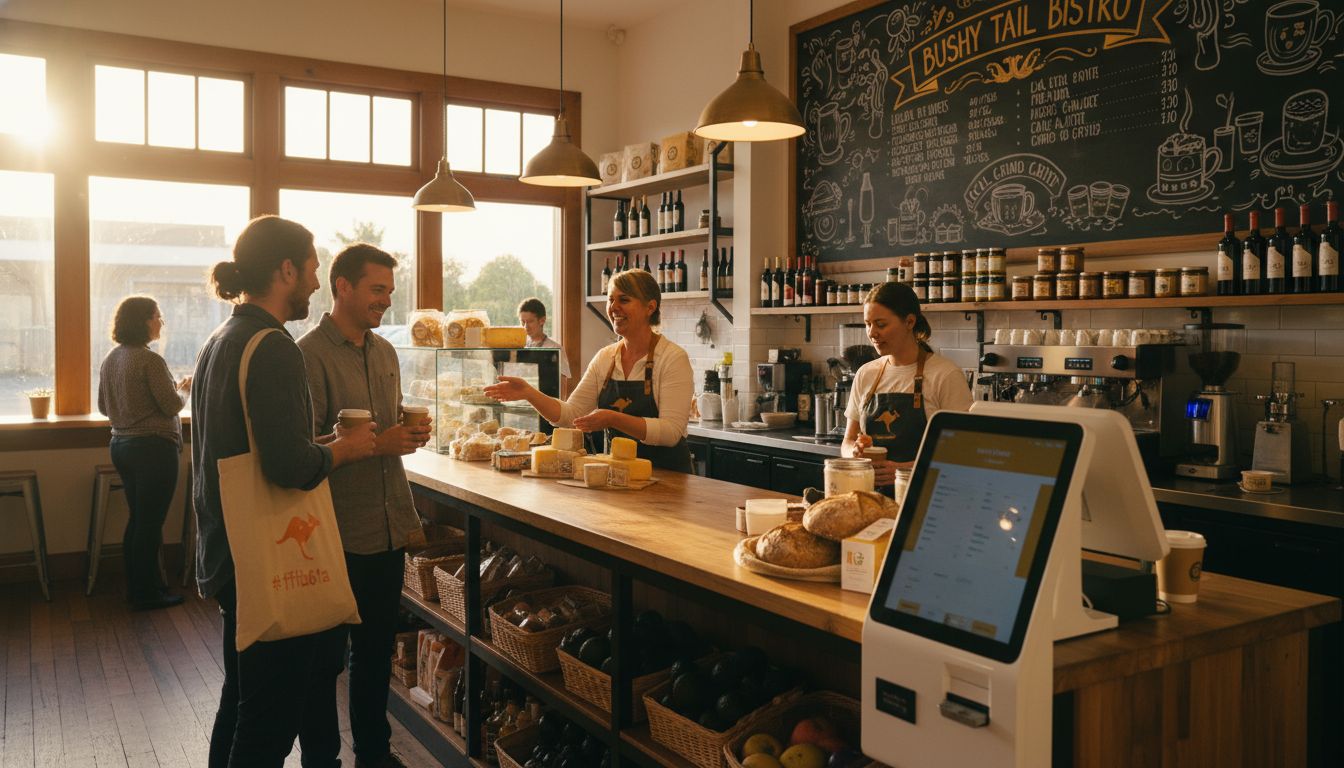
Nearly 90 percent of new food businesses say building the right brand and connecting with loyal customers is their biggest growth hurdle. Standing out in a busy market often comes down to pinpointing what makes your business special and spotting who is most likely to crave your products. Taking the time to define your brand identity and understand your ideal audience helps you attract the right customers and set your food business up for lasting success.
Table of Contents
Quick Summary
Key Point | Explanation |
1. Define your unique brand identity | Identify what makes your food business special to attract customers effectively. |
2. Understand your target customers | Create detailed customer personas to tailor your marketing strategies. |
3. Build a robust digital presence | Select appropriate digital channels and maintain a consistent brand across platforms. |
4. Engage with video content | Use high-quality video to tell your food story and connect authentically with customers. |
5. Continuously monitor and refine marketing | Regularly evaluate your marketing effectiveness and adapt to improve customer engagement. |
Step 1: Define your brand and target customers
When launching your food business, pinpointing who you are and who wants your product is like creating the perfect recipe. According to research from the Food Markies Hub, establishing a unique brand identity is critical for success in Australia’s competitive online food market.
Start by understanding what makes your food business special. What sets your product or service apart? Maybe you create gluten free pastries using local Queensland ingredients or craft small batch sauces with unique spice blends. Your unique selling proposition (USP) will become the secret ingredient that attracts customers.
To define your target market, imagine your ideal customer. Are they health conscious professionals in Melbourne? Young families seeking convenient meal options? Local foodies looking for authentic regional cuisines? Research suggests mapping out detailed customer personas helps you craft precise marketing strategies.

Consider these practical steps for defining your market:
Here’s a summary of practical steps to define your brand and target customers:
Step | Purpose | Example |
Review demographic data | Understand local audience | Age, income, lifestyle in region |
Study consumption trends | Identify popular foods and preferences | Growth in gluten free demand |
Talk to potential customers | Gather direct feedback and insights | Focus groups Online surveys |
Analyse competitors | See how others target similar customers | Competitor social media analysis |
Map customer personas | Create clear profiles for marketing | “Melbourne health professional” |
Review demographic data in your region
Study local food consumption trends
Talk directly with potential customers
Analyze competitors targeting similar audiences
Pro Tip: Don’t try to appeal to everyone. Specialising means creating deeper connections with the right customers.
Once you understand your brand and audience, you will be ready to develop targeted marketing strategies that speak directly to your potential customers. The next step involves translating these insights into compelling visual and messaging approaches that will help your food business stand out.
Step 2: Develop a compelling digital presence
Building a robust digital presence transforms how customers discover and interact with your food business. According to research from Victoria Government digital guidelines, creating an effective online platform requires understanding audience needs and investing strategic resources.
Start by selecting the right digital channels that match your target market. An understanding of social media strategy helps you choose platforms where your potential customers actually spend time. For food businesses, this might mean Instagram for visual food content or Facebook for local community engagement.
Your digital strategy should encompass multiple touchpoints. As Square research indicates, an omnichannel approach means expanding beyond physical premises through online sales channels. This includes developing a website that showcases your menu, enables online ordering, and reflects your brand personality.
Consider these essential digital presence elements:
Professional website with high quality food imagery
Active social media profiles
Google Business Profile for local visibility
Customer review management platforms
Email marketing system
Pro Tip: Consistency is key. Your digital brand should look and feel the same across all platforms.
Remember that developing a compelling digital presence is not about being everywhere but being strategic.
Focus on platforms where you can create genuine connections and share content that truly represents your food business. The next step involves creating content that tells your unique story and attracts your ideal customers.
Step 3: Create engaging food-focused video content
Capturing your food business’s essence through video requires creativity and strategic storytelling. According to research from Krizmatic, short-form videos and Instagram Reels can effectively showcase your culinary magic and connect with potential customers.
Start by brainstorming content that reveals your unique food story. How to boost engagement with video suggests focusing on content that goes beyond simple product shots. Think quick recipe tutorials, behind-the-scenes kitchen moments, or chef preparation techniques that give viewers a genuine peek into your food world.
Your video strategy should prioritize authenticity and visual appeal. As social media research indicates, high-quality visuals are crucial for attracting customer attention. Use natural lighting, close up shots of food preparation, and showcase the personality behind your dishes.
Consider these video content ideas:
30-second recipe quick tips
Ingredient sourcing stories
Staff member cooking demonstrations
Customer testimonial snippets
Weekly kitchen specials reveal
Pro Tip: Keep videos under 60 seconds and use captions for better engagement.
Remember that video content is about telling a story your audience wants to watch. Focus on creating moments that are entertaining, informative, and true to your brand personality. The next step involves strategically distributing these videos across your digital platforms to maximize reach and impact.
Step 4: Launch local social media and email campaigns
Transforming your digital marketing strategy means creating targeted campaigns that speak directly to local customers. According to Square research, building an online presence requires active engagement through social media and strategic email communication.
Start by developing a comprehensive step by step social media strategy that reflects your food business personality. Krizmatic research suggests tailoring content to different audience segments by creating high quality photos, engaging videos, and interactive experiences that showcase your unique culinary offerings.
Your social media approach should focus on creating authentic connections. Share behind-the-scenes kitchen moments, highlight local ingredient sources, and feature staff stories that give customers a genuine glimpse into your business. Encourage user generated content by creating shareable moments and interactive challenges that invite customer participation.
Consider these campaign strategies:
Weekly food preparation stories
Limited time offer announcements
Customer appreciation features
Local community event highlights
Chef skill demonstration reels
Pro Tip: Consistency matters more than frequency. Post meaningful content that truly represents your brand.
Email campaigns complement your social strategy by delivering targeted messages directly to interested customers. Use email to share exclusive promotions, menu updates, and personalized dining experiences that make customers feel connected to your food business. The next step involves tracking and refining your marketing approach to continuously improve engagement.
Step 5: Monitor results and refine your marketing plan
Successful marketing requires ongoing evaluation and strategic adjustment. According to Victoria Government digital guidelines, regularly assessing your digital strategy’s effectiveness is crucial for sustained business growth.
Begin by implementing a comprehensive tracking system that captures key performance indicators across your marketing channels. The Ultimate Business Marketing Strategy Recipe suggests focusing on metrics that directly reflect customer engagement and business objectives.
Square research emphasizes the importance of an omnichannel monitoring approach. This means tracking interactions across social media, email campaigns, website traffic, and customer feedback platforms. Look for patterns in customer behavior customer preferences and potential areas of improvement.
Consider tracking these critical metrics:
Social media engagement rates
Email open and click through rates
Website visitor demographics
Conversion rates from different marketing channels
Customer feedback and sentiment analysis
Pro Tip: Set aside dedicated time monthly to review your marketing performance data.
Refining your marketing plan is an ongoing process of listening and adapting. Use the insights you gather to make incremental improvements experiment with new approaches and double down on strategies that demonstrate real results. Your marketing strategy should be a living document that evolves with your business and customer needs.
Turn Your Food Business Marketing from a Recipe Into a Feast of Success
If you have been struggling to define your brand and connect with your ideal customers or wondering how to build an authentic digital presence for your food business, you are not alone. The challenges of creating engaging video content and launching local social media and email campaigns can feel overwhelming, especially when you want your unique culinary story to shine. Marketing Recipes Australia understands these pressures and offers tailored solutions that bring your food business marketing together like a well-crafted menu.
From capturing your story with creative video production to managing social media campaigns that truly engage, we bring over 30 years of regional expertise to help you build genuine connections with your customers. Our kitchen-inspired approach combines traditional marketing with the latest digital tools so you can focus on what you do best creating delicious food. Ready to transform your marketing efforts into tangible growth?
Take the next step now by exploring how our full-spectrum digital marketing solutions can help you stand out in competitive markets. Discover proven strategies on how to boost engagement with video and refine your online reach with our expert tips on understanding social media strategy. Don’t wait to serve your food business success on a silver platter.
Frequently Asked Questions
How can I define my food business’s unique selling proposition (USP)?
To define your USP, focus on what makes your food product or service stand out from the competition. Identify key features, such as local ingredient sourcing or unique flavor profiles, and highlight these elements in your marketing materials.
What steps should I take to understand my target market?
Begin by reviewing demographic data and current food consumption trends in your area. Create detailed customer personas that reflect your ideal customers’ preferences, lifestyles, and needs.
How do I create a compelling digital presence for my food business?
Develop a professional website that showcases your menu and reflects your brand personality. Establish active social media profiles where you engage with potential customers, ensuring consistency in your visual branding across all platforms.
What types of video content can I create to promote my food business?
Consider producing engaging content such as quick recipe tips, behind-the-scenes kitchen moments, or customer testimonials. Aim to create videos that are under 60 seconds for optimal engagement and share them across your digital platforms.
What strategies should I implement for local social media and email campaigns?
Focus on creating authentic content that showcases your culinary offerings and connects with your community. Use email to share exclusive promotions and updates, ensuring to segment your audience for personalized messaging.
How can I effectively track and monitor the results of my marketing efforts?
Implement a tracking system to monitor key performance indicators like social media engagement and conversion rates. Set aside time each month to review your data, allowing you to refine your marketing approach and make informed adjustments.
Recommended
Comments