Digital Marketing Strategy: Why Local Businesses Win
- Eddie The Chef

- Dec 16, 2025
- 7 min read

More than 80 percent of Australian businesses now invest in digital marketing, yet many still struggle to see real results. With online competition soaring, finding the right approach can separate thriving brands from those getting lost in the crowd. This guide breaks down what a well-crafted digital marketing strategy means for Australian businesses, helping you identify the steps that drive growth, improve visibility, and deliver measurable results.
Table of Contents
Key Takeaways
Point | Details |
Holistic Digital Strategy | A successful digital marketing strategy requires clear objectives, understanding of target audiences, and appropriate channel selection for maximised impact. |
Diverse Approaches | Companies should utilise various digital marketing techniques, such as SEO, SEM, and content marketing, to effectively engage potential customers. |
Performance Tracking | Robust performance metrics are crucial for analysing campaign effectiveness and making data-driven adjustments for continuous improvement. |
Local Relevance | Regional businesses must focus on creating locally relevant content and understanding their market to avoid common pitfalls and enhance their digital presence. |
Defining A Digital Marketing Strategy
A digital marketing strategy is a comprehensive blueprint for businesses to leverage online channels and platforms strategically. Understanding digital marketing approaches requires mapping out targeted methods to connect with potential customers across digital landscapes.
Successful digital strategies involve detailed customer persona development, precise channel selection, and measurable goals. Small businesses must identify their target audience’s online behaviours, preferences, and interaction points. This means researching where customers spend digital time, what content resonates with them, and which platforms offer the most engagement potential.
Key components of an effective digital marketing strategy include:
Clear business objectives
Detailed customer persona research
Strategic channel selection
Content planning and creation
Performance tracking metrics
Budget allocation for digital campaigns
Pro Tip: Digital Strategy Blueprint: Spend 20% of your marketing planning time mapping your digital customer journey, understanding precisely how potential clients interact with your online presence before investing resources in campaigns.
By developing a nuanced digital approach tailored to your specific business needs, you transform generic online marketing into a powerful growth mechanism.
Types Of Digital Marketing Approaches
Digital marketing comprises multiple strategic channels designed to connect businesses with their target audiences online. Various digital marketing techniques offer unique opportunities for businesses to engage potential customers through different digital platforms and communication methods.
The primary digital marketing approaches can be categorised into several key methods:
Search Engine Optimization (SEO): Improving website visibility in organic search results
Search Engine Marketing (SEM): Paid advertising on search engine platforms
Social Media Marketing: Engaging audiences through platforms like Facebook, Instagram, LinkedIn
Content Marketing: Creating valuable, relevant content to attract and retain customers
Email Marketing: Direct communication with targeted subscriber lists
Video Marketing: Utilising video content across digital platforms
Each digital marketing approach requires a nuanced understanding of target audience behaviours and preferences. Online marketing strategies must consider factors like customer demographics, platform relevance, and specific business objectives to create effective campaigns.
Pro Tip: Marketing Channel Selection: Prioritise 2-3 digital marketing channels where your target audience is most active, rather than spreading resources thinly across multiple platforms.
Successful digital marketing isn’t about using every available channel, but strategically selecting and executing approaches that genuinely connect with your specific customer base.

Here’s how digital marketing channels differ in purpose and impact:
Channel | Main Objective | Typical Format | Potential Business Impact |
SEO | Drive organic website traffic | Website pages, blogs | Long-term brand visibility |
SEM | Generate leads quickly | Paid search ads | Immediate website visits |
Social Media | Build audience engagement | Posts, stories, ads | Community and brand awareness |
Content Marketing | Inform and educate audience | Articles, guides | Authority and trust building |
Email Marketing | Nurture existing leads | Newsletters, promotions | Customer retention and upselling |
Video Marketing | Increase conversion rates | Short or long videos | Improved message retention |
Key Elements Driving Campaign Success
Digital marketing campaign success hinges on a strategic approach that goes beyond simple execution. Digital marketing strategies require comprehensive planning that aligns technological capabilities with precise business objectives and customer expectations.
The critical elements driving successful digital marketing campaigns include:
Clear Objectives: Specific, measurable goals that directly connect to business outcomes
Audience Understanding: Deep insights into customer behaviours, preferences, and digital interactions
Content Relevance: Creating targeted, valuable content that resonates with specific customer segments
Channel Optimization: Selecting and maximising the most effective digital platforms for your audience
Performance Tracking: Implementing robust analytics to measure campaign effectiveness
Continuous Adaptation: Regular strategy refinement based on real-time data and customer feedback
Effective digital marketing strategies demand a nuanced approach that considers customer personas, engagement metrics, and adaptive techniques. Businesses must move beyond traditional marketing approaches and embrace data-driven, customer-centric methodologies that prioritise meaningful interactions and measurable outcomes.
Pro Tip: Campaign Performance Insight: Allocate 10-15% of your marketing budget towards experimental channels and tracking technologies to discover emerging opportunities and optimise your digital strategy.
Successful digital campaigns are not about perfection, but about continuous learning, rapid adaptation, and maintaining a laser-focused connection with your target audience.
Costs, Resources, And ROI Explained
Digital marketing investments require careful financial planning and strategic resource allocation. Digital marketing strategy evaluation involves understanding the complex relationship between expenditure, available resources, and potential returns.
Typical cost considerations for digital marketing campaigns include:
Content Creation Costs: Writing, design, video production
Platform Expenses: Advertising spend, subscription fees for marketing tools
Personnel Resources: Internal marketing team or external agency costs
Technology Infrastructure: Website maintenance, analytics software, digital platforms
Training and Development: Skill upgrades for marketing personnel
Performance Tracking: Analytics and reporting tools
Measuring digital marketing performance demands a comprehensive approach that goes beyond simple monetary calculations. Businesses must consider multiple metrics including customer acquisition costs, engagement rates, conversion percentages, and long-term brand value.
Pro Tip: ROI Calculation Strategy: Develop a standardised monthly reporting template that tracks both financial investments and qualitative outcomes to get a holistic view of your digital marketing performance.
Successful digital marketing isn’t about spending more, but about investing strategically and measuring results with precision.
Compare the key cost factors and how each affects ROI:
Cost Factor | Description | Effect on ROI |
Content Creation | Producing tailored digital assets | High quality boosts engagement |
Platform Expenses | Advertising and tool subscriptions | Increases reach, must be well targeted |
Personnel Resources | Staff or agency costs | Skilled teams improve campaign results |
Technology Infrastructure | Websites and analytics software | Better tech leads to accurate tracking |
Training & Development | Investing in team skills | Ongoing training yields efficiency |
Avoiding Common Regional Business Pitfalls
Regional digital marketing requires a nuanced approach that addresses unique local challenges. Digital marketing strategy development demands understanding the specific obstacles that can derail small business efforts in competitive local markets.
Common regional business digital marketing pitfalls include:
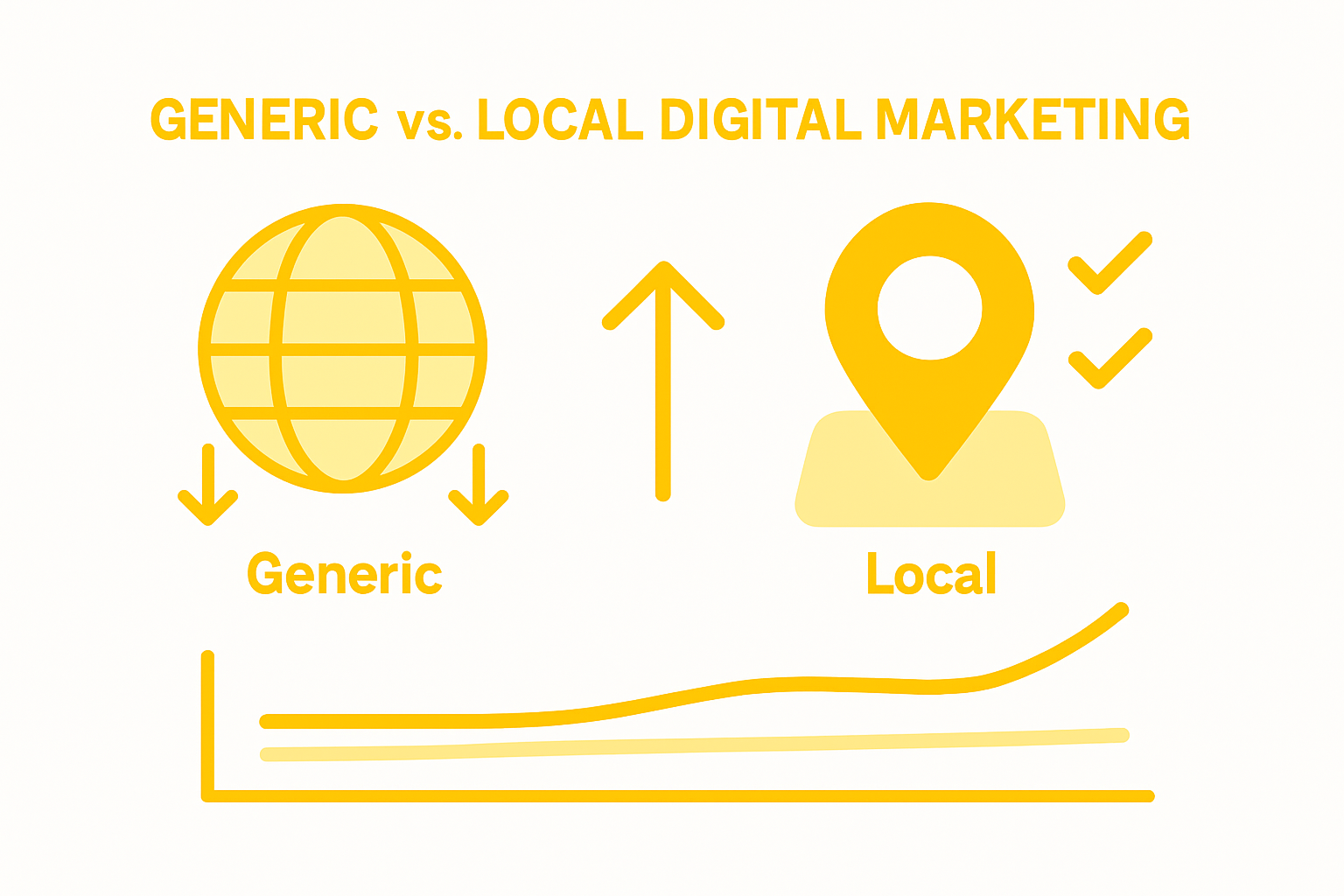
Generic Messaging: Failing to create locally relevant content
Inadequate Market Research: Not understanding precise local customer personas
Budget Misallocation: Spreading limited resources across ineffective channels
Technological Limitations: Outdated websites or poor mobile responsiveness
Inconsistent Online Presence: Misaligned messaging across digital platforms
Neglecting Local SEO: Overlooking location-specific search optimization
Ethical digital marketing practices demand a comprehensive understanding of local market dynamics, customer expectations, and technological capabilities. Regional businesses must develop strategies that authentically represent their unique value proposition while navigating digital complexity.
Pro Tip: Local Insight Strategy: Spend at least one hour per month talking directly with your target customers to understand their evolving digital preferences and communication expectations.
Successful regional digital marketing isn’t about avoiding mistakes entirely, but about creating adaptive, customer-centric strategies that evolve with your local market.
Empower Your Local Business With a Tailored Digital Marketing Strategy
Many regional businesses struggle with generic messaging and ineffective budget use when trying to grow online. This article highlights the critical need for a customer-focused, localised digital marketing strategy that maximises limited resources and connects authentically with the community. Understanding your digital customer journey and strategically selecting the right channels are key to overcoming common pitfalls like inconsistent online presence and neglected local SEO.
At Marketing Recipes Australia, we specialise in helping regional businesses develop customised digital strategies that blend video marketing, social media management, and content creation with deep local expertise. Our kitchen-inspired approach focuses on creating compelling campaigns that truly resonate, driving measurable growth even in competitive markets.

Ready to leave behind generic digital tactics and start winning with a strategy designed for your regional business? Discover how our comprehensive media and online marketing services can empower your marketing journey today. Take the first step towards actionable results by connecting with us now and crafting a plan that turns your local challenges into opportunities.
Frequently Asked Questions
What is a digital marketing strategy?
A digital marketing strategy is a comprehensive plan for businesses to connect with potential customers through online channels, including social media, SEO, and content marketing. It outlines specific goals, target audiences, and the methods to achieve effective engagement.
How can local businesses create engaging content?
Local businesses can create engaging content by understanding their target audience, researching local interests, and producing relevant and valuable material that resonates with local customers. This may include community events, local news, or tips relevant to the area.
What are the most effective digital marketing channels for small businesses?
The most effective digital marketing channels for small businesses typically include Search Engine Optimization (SEO), Social Media Marketing, and Email Marketing. It’s crucial to prioritize the channels where the target audience is most active for optimal engagement.
How can small businesses measure the success of their digital marketing campaigns?
Small businesses can measure the success of their digital marketing campaigns by using performance tracking metrics, such as website traffic, engagement rates, conversion rates, and customer acquisition costs. Regular analysis of these metrics helps identify areas for improvement.
Recommended
Comments