Content Strategy: Everything Regional Businesses Need
- Eddie The Chef

- Dec 4, 2025
- 6 min read

Most australian businesses underestimate how much content strategy shapes real-world results. With so many brands competing for attention, having a clear plan is vital for anyone aiming to reach their audience and drive growth. In fact, companies with documented strategies see up to 60 percent greater content effectiveness. Discover how content strategy sets the foundation for purposeful digital communication that truly connects.
Table of Contents
Key Takeaways
Point | Details |
Importance of Content Strategy | A well-defined content strategy transforms random content creation into a goal-oriented process, improving messaging consistency and engagement. |
Tailored Approaches | Businesses should adopt diverse content strategies to connect with target audiences, recognising that no single approach fits all. |
Continuous Adaptation | Successful strategies require ongoing adjustments based on analytics and audience feedback to remain relevant and effective. |
Local Relevance in Australia | Regional businesses must create content that reflects local values and experiences, ensuring authenticity and community connection. |
What Is Content Strategy and Why It Matters
Content strategy represents a comprehensive roadmap that guides businesses in creating, distributing, and managing digital content with purpose and precision. At its core, content strategy involves planning systematic approaches to deliver valuable information that connects with target audiences and supports core business objectives.
A robust content strategy acts as a strategic framework that transforms random content creation into a deliberate, goal-oriented process. By mapping out specific content goals and audience needs, regional businesses can develop targeted communication that resonates with their specific market segments. This means understanding not just what content to create, but why and how it serves both customer requirements and organisational growth targets.
When implemented effectively, content strategy delivers multiple critical benefits for regional businesses:
Consistent Messaging: Ensures all communication maintains a unified brand voice
Targeted Engagement: Develops content precisely aligned with customer interests
Improved Efficiency: Reduces wasted resources by focusing on high-impact content
Strategic Alignment: Connects content directly to business growth objectives
Successful content strategies recognise that modern customers seek genuine, valuable information. By crafting content that educates, solves problems, and demonstrates expertise, regional businesses can build trust, establish thought leadership, and create meaningful connections with their audiences.
Key Types of Content Strategy Approaches
Content strategies encompass diverse approaches tailored to meet specific business objectives and audience needs. Various strategic frameworks help regional businesses craft targeted communication that resonates with their unique market segments, ensuring content serves both organisational goals and customer expectations.
Three primary content strategy approaches emerge as critical for regional businesses:
Brand-Focused Strategy: Emphasises storytelling and consistent brand identity across all content channels
Audience-Focused Strategy: Develops content precisely mapped to specific user personas and demographic needs
Channel-Focused Strategy: Optimises content delivery across different platforms and digital mediums
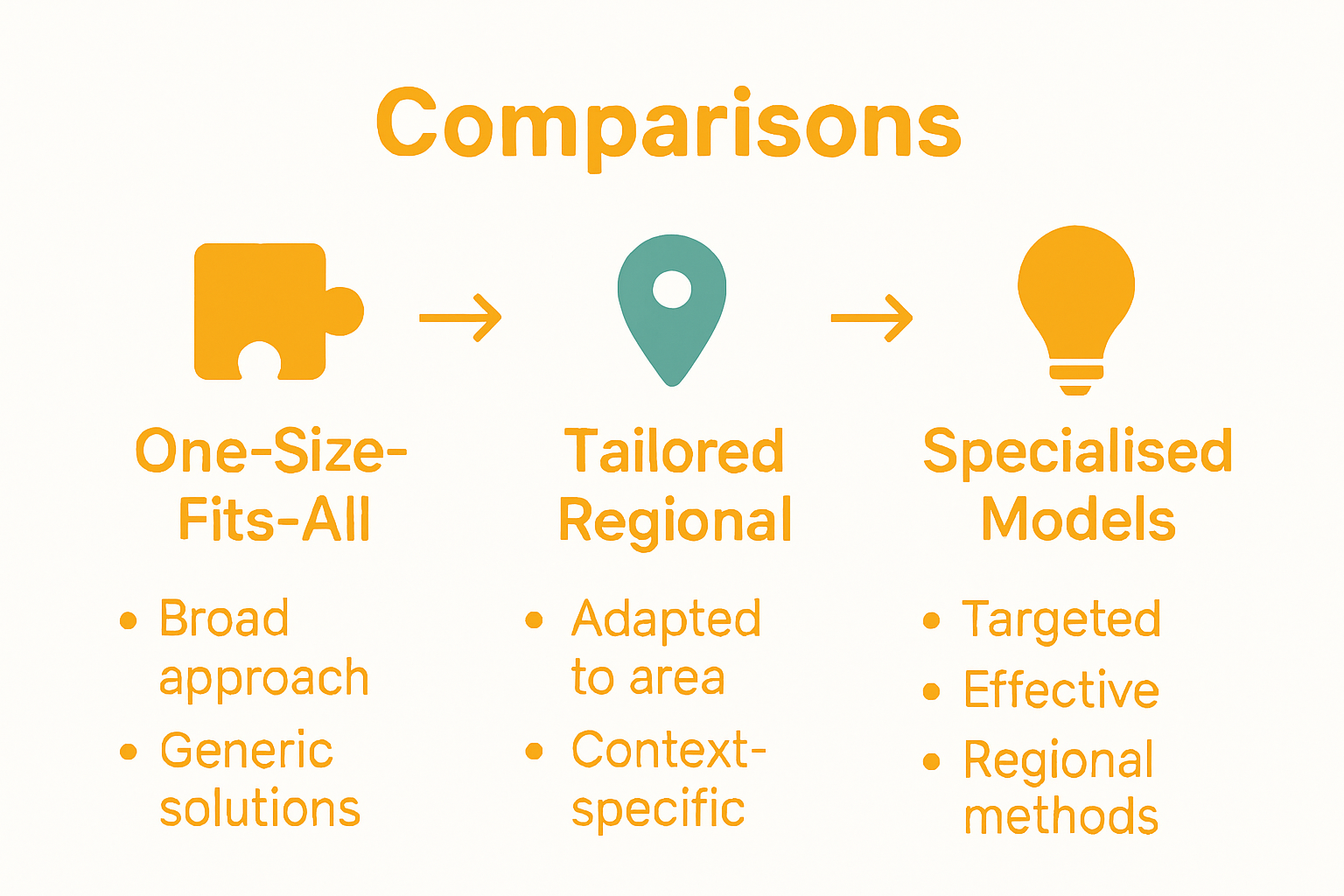
Beyond these core approaches, businesses can also leverage specialised content strategy models that address specific organisational requirements. These include editorial strategies concentrating on content governance, experience strategies prioritising user engagement, and structural strategies designed to enhance content architecture and information taxonomy.
The key is understanding that no single content strategy fits all businesses. Successful regional organisations will adapt and blend different approaches, creating a dynamic content framework that evolves with their market, audience preferences, and strategic objectives. By thoughtfully selecting and implementing content strategies, businesses can transform their digital communication from generic broadcasting to meaningful, targeted conversations.
Core Components and Effective Processes
Developing a robust content strategy requires a systematic approach that transforms random content creation into a deliberate, goal-oriented process. Effective content strategies are built on four fundamental components: planning, creation, distribution, and analysis - each playing a critical role in achieving business objectives.
The strategic process unfolds through key stages:
Planning Stage
Define clear content goals
Identify target audience personas
Establish key performance indicators (KPIs)
Develop content themes and messaging frameworks
Creation Stage
Generate high-quality, relevant content
Ensure alignment with brand voice
Develop diverse content formats
Maintain consistency across channels
Distribution Stage
Select appropriate content channels
Optimise content for different platforms
Implement strategic publishing schedules
Leverage organic and paid distribution methods
The final and often overlooked component is comprehensive content analysis, which transforms raw data into actionable insights. By systematically measuring content performance, regional businesses can continuously refine their strategies, identifying what resonates with their audience and where improvements are needed.
Successful content strategies are not static documents but living frameworks that adapt and evolve. Regional businesses must remain agile, continuously testing, learning, and adjusting their approach to match changing market dynamics and audience expectations. This iterative process ensures content remains relevant, engaging, and aligned with broader business goals.
Content Strategy in Regional Australian Context
Regional Australian businesses face unique challenges and opportunities when developing content strategies that resonate with local markets and diverse community landscapes. Digital content strategies must be uniquely tailored to address the specific needs of regional communities, considering infrastructure limitations, technological access, and localised audience expectations.
Key considerations for regional content strategy include:
Local Relevance: Creating content that speaks directly to regional experiences
Infrastructure Adaptation: Developing strategies that work with limited digital resources
Community Connection: Building narratives that reflect local values and interests
Technical Accessibility: Ensuring content reaches audiences with varied technological capabilities
Cultural Nuances Matter. Regional Australian markets demand authentic, genuine communication that acknowledges the unique characteristics of smaller communities. This means moving beyond generic marketing approaches and developing content that demonstrates real understanding of local contexts, challenges, and aspirations.

Successful regional content strategies recognise that digital communication is not one-size-fits-all. Businesses must embrace flexibility, continuously adapt to changing local dynamics, and create content that feels genuinely connected to the community’s lived experiences. By prioritising local insights, leveraging regional strengths, and maintaining a commitment to authentic storytelling, regional Australian businesses can develop powerful content strategies that truly engage and resonate with their target audiences.
Common Challenges and How to Overcome Them
Content strategy implementation presents multiple hurdles that regional Australian businesses must strategically navigate. Understanding these challenges is the first step towards developing robust, adaptable content approaches that drive meaningful engagement and business growth.
Key challenges and strategic solutions include:
1. Alignment and Consistency Challenges
Problem: Misalignment between content and business objectives
Solution: Develop clear, measurable content goals
Implementation: Create a comprehensive content governance framework
Outcome: Ensuring every piece of content serves a strategic purpose
2. Performance Measurement Obstacles
Problem: Difficulty tracking content effectiveness
Solution: Implement robust analytics and reporting mechanisms
Implementation: Establish key performance indicators (KPIs)
Outcome: Data-driven content strategy refinement
3. User Engagement Barriers
Problem: Declining audience interaction
Solution: Develop adaptive content strategies based on user feedback
Implementation: Regular content audits and user experience analysis
Outcome: Continuously evolving content that resonates with audiences
Successful content strategies demand continuous learning and adaptation. Regional businesses must remain agile, treating their content approach as a living, breathing system that responds dynamically to audience needs, technological shifts, and market changes. By embracing flexibility, investing in measurement tools, and maintaining a genuine connection with their audience, businesses can transform challenges into opportunities for meaningful digital communication.
Elevate Your Regional Business with a Tailored Content Strategy
Facing challenges like aligning content goals with business objectives or engaging local audiences is common for regional Australian businesses. The article highlights how essential a well-planned content strategy is to overcome these pain points through clear goal setting, audience understanding and consistent messaging. At Marketing Recipes Australia, we specialise in transforming these strategic concepts into practical, results-driven solutions that connect authentically with your community.
Why struggle alone when you can access expert guidance and creative support? Our kitchen-inspired approach blends strategic consulting with content creation services such as video marketing, social media management and customised email campaigns. We help you craft content that resonates locally while driving real growth.

Ready to turn your content strategy into a powerful growth tool? Visit Marketing Recipes Australia to explore how our digital marketing services can support your business. Don’t wait – start building meaningful connections with your customers today and stay ahead in your regional market. Discover the full menu of services that make your marketing both strategic and approachable at Marketing Recipes Australia and take the first step towards consistent, engaging content that truly works.
Frequently Asked Questions
What is content strategy and why is it important for regional businesses?
Content strategy is a comprehensive roadmap guiding businesses in creating, distributing, and managing digital content to achieve specific goals. It is important because it ensures consistent messaging, targeted engagement, improved efficiency, and strategic alignment with business objectives.
What are the key components of an effective content strategy?
An effective content strategy includes planning, creation, distribution, and analysis. These components help businesses define goals, produce relevant content, determine the best channels for distribution, and measure performance for continuous improvement.
How can regional businesses overcome challenges in content strategy implementation?
Regional businesses can overcome challenges by developing clear content goals, implementing robust analytics for performance measurement, and adapting content strategies based on user feedback to enhance engagement and relevance.
What types of content strategy approaches should regional businesses consider?
Regional businesses should consider brand-focused, audience-focused, and channel-focused strategies. These approaches help tailor content to specific demographic needs, maintain brand consistency, and optimise distribution across various platforms.
Recommended
Comments